Galápagos Connectivity: A Reality Check for Long-Stays
So, you're thinking about spending a few months, maybe even a year, in the Galápagos. Excellent choice, if you can swing it. But let's get one thing straight from the jump: this isn't Bali. The internet here is a whole different beast. Forget about blazing 5G speeds outside of Puerto Ayora's main square, and even there, it's spotty. When I first arrived, I figured I'd just grab a local SIM and be done with it. That lasted about two days before I was ready to throw my phone into the Pacific, which, given the environmental regulations, would have been a terrible idea.
For anyone planning more than a two-week tourist hop, reliable connectivity isn't a luxury, it's a necessity. Whether you're a marine biologist tracking finches, a remote worker trying to hit deadlines, or just someone who needs to keep in touch with family, you'll quickly realize that the idyllic isolation of the islands comes with a digital price tag. And that price isn't just monetary, it's also measured in frustration.
The Myth of Ubiquitous WiFi
Every hotel and guesthouse on Santa Cruz or San Cristóbal will tell you they have WiFi. And they do, technically. But "WiFi" on the Galápagos often means a single DSL line shared among fifty guests, a connection that drops every time a boat docks, or speeds so glacial you'll wonder if your emails are being delivered by carrier pigeon. Relying solely on hotel WiFi for anything critical, like video calls or large file transfers, is a recipe for disaster. Trust me, I've missed enough deadlines to learn this the hard way.
What Does "Long-Stay" Even Mean Here?
Unlike places like Lisbon or Medellín, the Galápagos aren't set up for casual digital nomads to just roll in and rent an Airbnb for six months. Long-stay here typically means you're either a researcher, a volunteer, working for a local conservation project, or married to an Ecuadorian citizen. Tourist visas are generally capped at 90 days, and extending them is a bureaucratic maze that most people avoid. (We'll dig into visa specifics later, but it's a critical point for planning any extended stay.)
Why eSIM is the Only Sane Option on the Islands
After wrestling with local SIMs and flaky hotel WiFi for too long, I switched to an eSIM, and it was like a cloud lifted. Seriously, it cut down my stress levels by about 80%. Here’s why, especially for the Galápagos:
- Instant Activation: No searching for a vendor, no passport checks, no waiting. You buy it online, scan a QR code, and you're good to go. This is a godsend when you land at Seymour Airport (GPS) and just want to get to Puerto Ayora without worrying about finding a data connection.
- Flexibility: You can easily switch between different plans or even different providers right from your phone. If one network is weak in a certain area, you can swap to another eSIM profile without physically changing anything. This is crucial when jumping between islands, where network coverage can vary wildly.
- Dual SIM Functionality: Most modern phones support both a physical SIM and an eSIM. This means you can keep your home country's number active for banking or important calls (even if it's just for receiving SMS) while using the eSIM for all your data needs. This is invaluable for maintaining bank app access, which often requires a domestic number, something I learned the hard way in Brazil.
- No Physical Card Hassles: No losing tiny plastic cards, no fumbling with ejector tools, no worrying about compatibility issues with an unlocked phone. It's all digital, all seamless.
What is an eSIM, Really?
If you're still on the fence, an eSIM, or embedded SIM, is basically a digital version of a physical SIM card. Instead of a tiny chip you insert, the SIM profile is downloaded directly to your phone's hardware. Your phone needs to be eSIM compatible, of course, but most newer smartphones (iPhone XS and later, many Samsung Galaxy S and Note series, Google Pixel 3 and up) support it. If you're unsure, check your phone's settings under "Cellular" or "Mobile Data" options.
Local SIMs: The Painful Truth
Okay, let's talk about the alternative: getting a local SIM card in Ecuador. While doable on the mainland, it becomes a logistical nightmare on the islands. The main providers are Claro, Movistar, and CNT.
The Registration Ordeal
To buy a local SIM, you'll need your passport and potentially your tourist card. In Quito or Guayaquil, it's usually straightforward, though still a bit of a wait. On the Galápagos, finding a Claro or Movistar office isn't always easy, and often they'll only have limited stock or staff who know how to process international passports. I recall a particularly frustrating afternoon in Puerto Ayora trying to register a new Movistar SIM, only to be told their system was "down" for the day. This was after waiting an hour in line at a tiny store near the fish market.
Network Coverage and Speed Comparison
Even once you get a local SIM, the coverage isn't magically better. The infrastructure is what it is. Here’s a rough breakdown of what I've experienced:
| Provider | Main Coverage Areas | Observed Speed (Mbps) | Reliability |
|---|---|---|---|
| Claro | Puerto Ayora (Santa Cruz), Puerto Baquerizo Moreno (San Cristóbal), patchy elsewhere | 5-20 (peak), 1-5 (off-peak) | Best of the local options, but still drops. |
| Movistar | Puerto Ayora, Puerto Baquerizo Moreno, limited on Isabela | 3-15 (peak), 0.5-3 (off-peak) | Often slower than Claro, but sometimes better in specific pockets. |
| CNT | Main towns, but less widespread | 2-10 (peak), very low off-peak | Generally weakest, mostly for locals. |
Notice the range. That's not me being imprecise, that's the reality of data speeds on an isolated archipelago. One minute you're getting a decent signal, the next you're back to GPRS speeds.
Choosing Your eSIM Plan for Ecuador and Galápagos
When picking an eSIM for Ecuador, you'll want a plan that either specifically covers Ecuador and the Galápagos, or a regional/global plan that includes it. Don't assume a South America plan automatically includes the islands; always double-check the fine print on the provider's website. My advice? Look for plans with at least 10GB if you're planning a month-long stay and rely on data for work. If you're just checking emails and WhatsApp, 5GB might suffice, but you'll be constantly monitoring usage.
Data-Only vs. Data Plus Calls
Most eSIMs are data-only. This is usually fine, as you can use WhatsApp or other VoIP apps for calls. If you absolutely need a local Ecuadorian number for specific local services (like some delivery apps, though these are rare on the islands), then a local SIM might still be necessary, but only for that specific purpose. For 99% of long-stayers, data-only is perfectly adequate.
Recommended eSIM Providers for Ecuador
| Provider | Data Plans (Example) | Coverage on Galápagos | Pricing (Approx. USD) |
|---|---|---|---|
| Provider A | 10GB/30 days, 20GB/30 days | Good, relies on Claro's network | $25-$45 |
| Provider B | 5GB/15 days, 15GB/30 days | Decent, uses Movistar's network | $15-$35 |
| Provider C (Regional) | Unlimited/30 days (throttled after X GB), works across LatAm | Good, often aggregates best local signal | $50-$70 |
Always check the current offerings on the provider's website for the latest plans and pricing, as these change frequently. If you're coming from the US, make sure your AT&T eSIM for International Travel setup doesn't conflict with a new local eSIM profile.
Getting Your eSIM Up and Running: The Quick Guide
This is where the eSIM truly shines, especially compared to the local SIM dance. It's painless, provided you have a stable internet connection for the initial download (do this before you leave your home country, or at a reliable airport WiFi).
Purchasing and Installation Procedure
- Purchase Your Plan Online: Go to your chosen Ecuador eSIM provider, select your data package and duration.
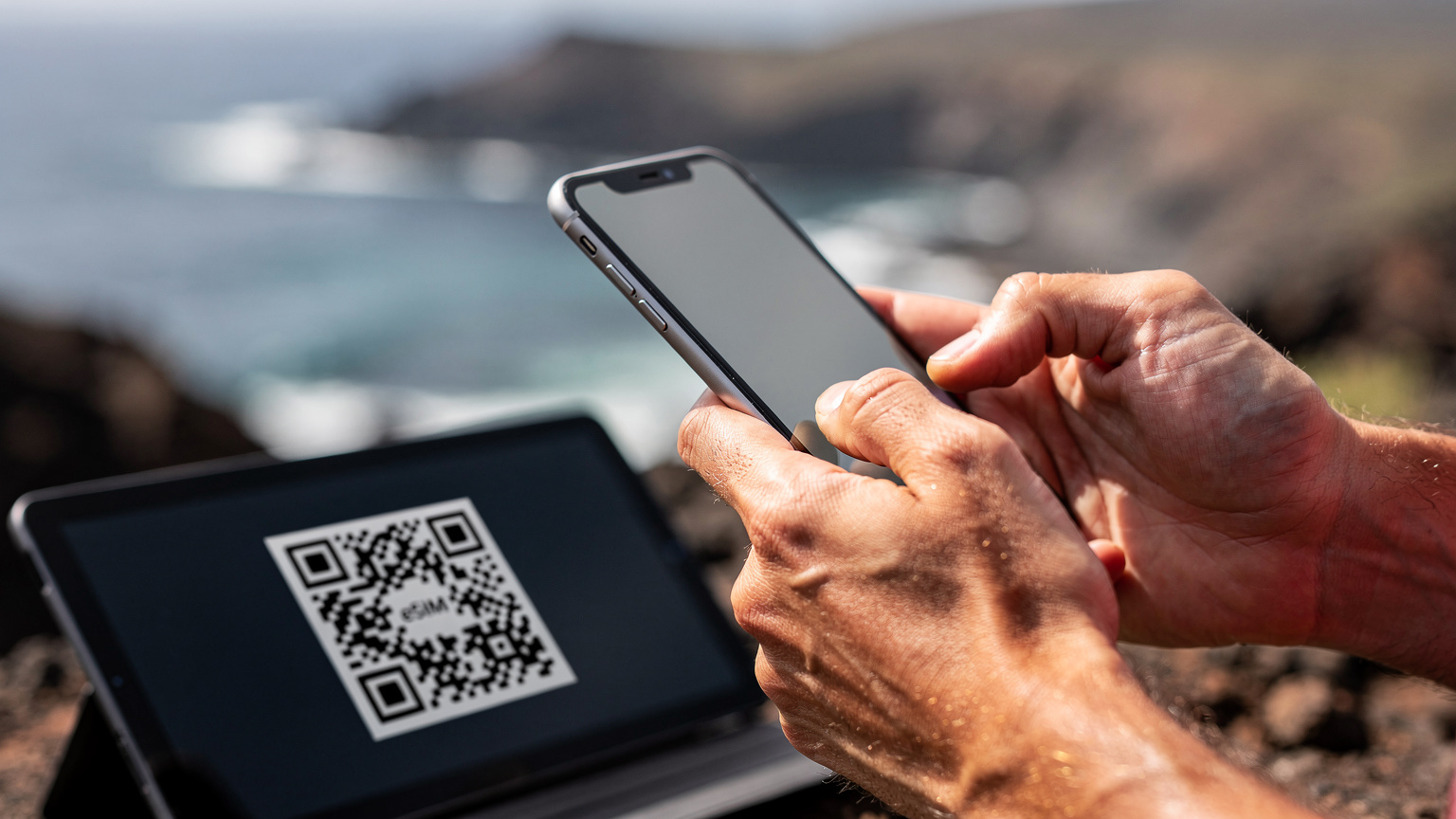
- Receive QR Code: You'll typically get an email with a QR code. Don't print it, just keep it accessible on another device or even a screenshot on your phone if you have a secondary screen.
- Install eSIM Profile: On your phone, go to Settings > Cellular (or Mobile Data) > Add Cellular Plan (or Add Data Plan). Scan the QR code. Follow the prompts. It might ask you to label the plan (e.g., "Galápagos Data").
- Set as Primary for Data: Make sure your new eSIM is set as the primary line for cellular data. Keep your physical SIM active for calls/SMS if you need it.
- Enable Data Roaming (if required): Some eSIMs require data roaming to be on for them to work, as they're technically roaming on local networks. Check your provider's instructions.
- Test Connection: Once activated, try browsing a few websites or sending a message on WhatsApp. If it's working, you're golden.
Reliable WiFi Spots on Santa Cruz and San Cristóbal
Even with an eSIM, you'll want to tap into WiFi whenever possible to conserve your data allowance. And let's be honest, sometimes you just need a bigger screen and a stable desk to get real work done. On Santa Cruz, my go-to was often the main square, Parque Central, in Puerto Ayora. There's public WiFi, though it gets saturated quickly. For actual work, I found a few spots:
- Galapagos Digital Hub (Santa Cruz): This is as close to a co-working space as you'll find. It's not always open, so check their hours, but when it is, the connection is surprisingly decent, usually around 15-25 Mbps. It's a small place, a few desks, but the people there are usually fellow researchers or long-term volunteers, so it's a good crowd.
- Café Hernán (Santa Cruz): Located a few blocks from the pier in Puerto Ayora, their WiFi is reliable enough for emails and light browsing. Plus, their coffee is solid. I spent many Tuesday afternoons there, fueled by
empanadas and decent speeds. - Hotel Orca (San Cristóbal): On San Cristóbal, I often used the lobby WiFi at Hotel Orca in Puerto Baquerizo Moreno. It was stable enough for video calls in the mornings, usually before 9 AM, when most guests were out on tours. Speeds hovered around 10-18 Mbps.
- El Descanso del Guayacán (San Cristóbal): This restaurant, a bit up the hill, also has a surprisingly good connection. It's often quieter than spots right on the waterfront, making it a decent place to work for a few hours.
Always ask before settling in, and consider buying something to support the business. It’s common courtesy.
Cost of Living and Connectivity Budgeting
Living on the Galápagos isn't cheap. Everything is imported, which drives up prices significantly. This applies to connectivity too, whether it's an eSIM or local data plans. Understanding the true cost of living is key to budgeting your long-term stay.
Monthly Rent and Food Anchors
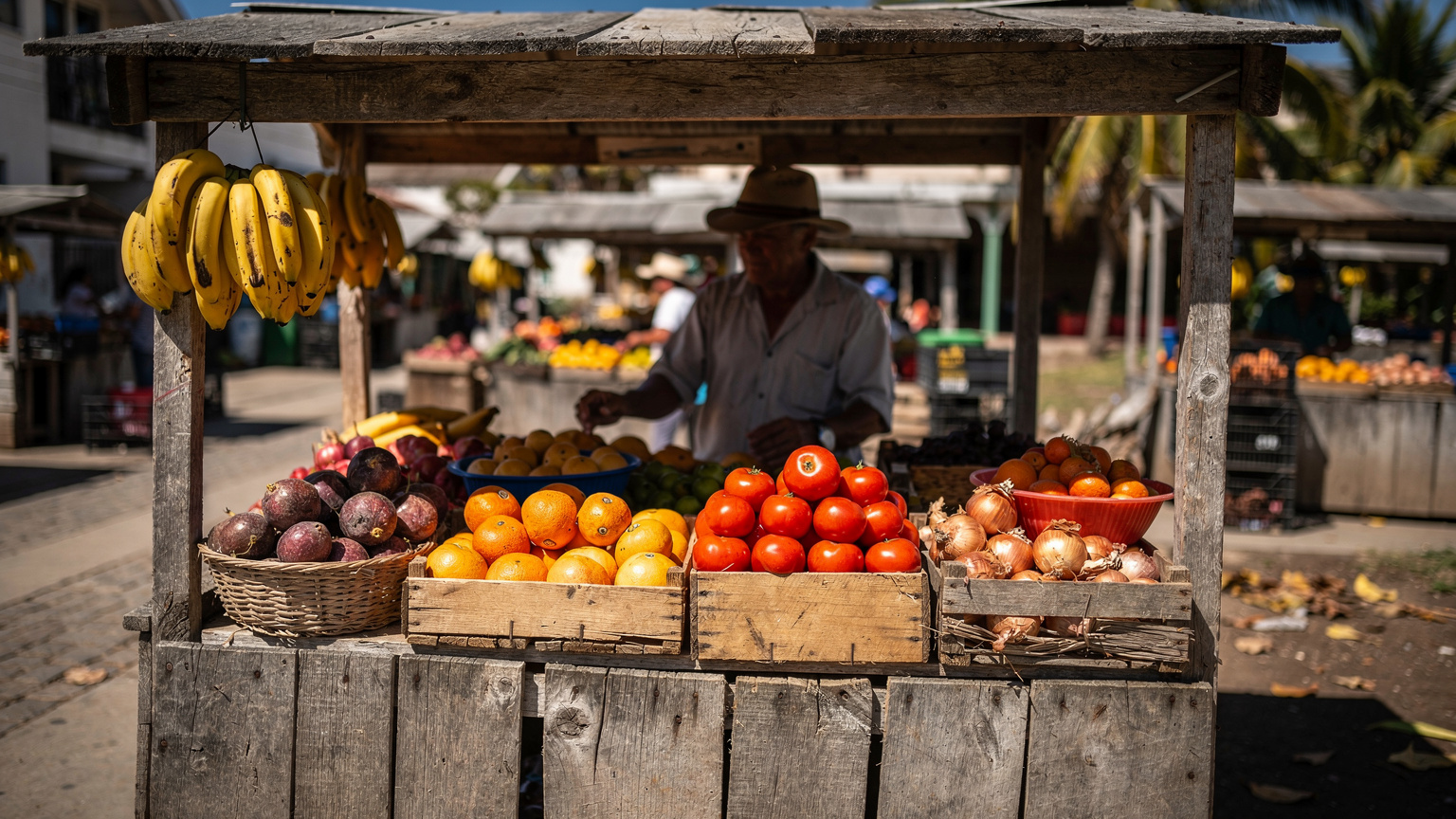
Let's talk numbers. For a simple studio apartment in Puerto Ayora (Santa Cruz), expect to pay anywhere from $400-800 USD per month. This is for basic, often unfurnished accommodation, usually rented directly from a local. Finding short-term rentals can be harder and more expensive. On San Cristóbal, prices are slightly lower, perhaps $350-700 USD. Food costs can be significant, especially if you eat out often. A meal at a local "almuerzo" spot will run you $5-8, while a tourist restaurant might be $15-30. If you cook at home, budget at least $200-300 per month for groceries, and remember that fresh produce can be limited and pricey.
Connectivity as a Budget Line Item
Your eSIM plan should be factored into your monthly budget. A 10GB plan for $30-40 USD isn't negligible. If you're relying heavily on data for work, consider a larger plan or even buying two smaller plans from different providers for redundancy. Don't forget that if you're earning income while travelling, there are ways to monetize your travel adventures, which can help offset these costs.
Visa Limitations and Long-Term Stays
This is perhaps the most critical point for anyone considering an extended stay. Ecuador has strict rules, and the Galápagos even more so.
Tourist Visa Realities
Most foreign nationals are granted a 90-day tourist visa upon entry to Ecuador. This 90-day period is for the entire country, not just the mainland or the islands separately. Extending this visa is a notoriously difficult, bureaucratic process that often requires leaving the country and re-entering, or applying for a specific visa type from your home country beforehand. Do NOT overstay your visa. The fines are hefty, and you risk being banned from re-entry.
Special Visas for Researchers and Volunteers
If you're truly planning a long-term stay (beyond 90 days), you'll almost certainly need a specific visa: a volunteer visa, a research visa, or potentially a work visa if you have a legitimate local employer. These are obtained through the Ecuadorian embassy or consulate in your home country well in advance. Without one of these, you are limited to the standard tourist duration. This is not a place where you can easily do a "visa run" to extend your stay, due to the unique immigration controls for the islands.
Essential Apps That Need a Stable Connection
Once you've got your data sorted, here are the apps that you'll be leaning on heavily, and why a stable connection is vital:
- WhatsApp: This is the primary communication tool in Ecuador. Everyone uses it, from tour operators to landlords to the guy who sells ceviche on the corner. You'll need it for calls, messages, and even sending documents.
- Google Maps/Maps.me: While you can download offline maps, real-time traffic (limited as it is) and finding specific small businesses often requires a live connection.
- Banking Apps: This is a big one. Many banking apps, especially if you're using a home country account, require two-factor authentication via SMS or push notification. Without a reliable connection, you can get locked out. Some local Ecuadorian banks, like Banco Pichincha, also have apps that perform better with a consistent data stream.
- Translation Apps: Spanish is essential. Google Translate or DeepL are invaluable for quick translations, especially when dealing with local vendors or bureaucratic processes.
- Your Work Apps (Slack, Zoom, Email): If you're working remotely, a stable connection for these is non-negotiable. Video calls will be challenging even with an eSIM, so plan them strategically during off-peak hours (early mornings are best).
Making the Most of Your Galápagos Long-Stay
Living in the Galápagos is an incredible experience, unlike anywhere else on Earth. But like any truly remote location, it comes with its quirks. Being prepared, especially with something as fundamental as connectivity, makes all the difference.
For example, if you're a student abroad, understanding your connectivity options here could save you a lot of grief compared to, say, a simple city break in Europe, where WiFi is everywhere. (You might want to check out some advice for students abroad in the UK, US, or Australia for a different perspective on connectivity.) While the islands aren't exactly a hub for passive income generation, managing your finances and staying connected can free you up to explore opportunities like boosting your travel earnings through other avenues.
Ultimately, an eSIM isn't just about having data, it's about buying peace of mind. It means you can focus on the unique wildlife, the research, or simply the slow pace of island life, rather than constantly battling with your phone. It’s a small investment that yields huge returns in convenience and sanity, especially when you're thousands of miles from the nearest Starbucks with reliable gigabit fiber. If you still have questions about how eSIM works, our frequently asked questions page is a good resource.
Frequently Asked Questions
Can I use my regular phone number with an eSIM in the Galápagos?
Yes, with most modern phones, you can keep your home country's physical SIM active for calls and texts while using an eSIM for all your data needs. This dual-SIM functionality means you can receive important calls or banking SMS without incurring high roaming charges for data.
Is eSIM coverage reliable across all Galápagos Islands?
eSIM coverage in the Galápagos largely mirrors the coverage of local operators like Claro and Movistar, as eSIMs often utilize their networks. This means strong coverage in main towns like Puerto Ayora (Santa Cruz) and Puerto Baquerizo Moreno (San Cristóbal), but it can become spotty or non-existent in more remote areas or between islands at sea.
What data plan size should I get for a month-long stay?
For a month-long stay relying on data for emails, browsing, and social media, a 10GB data plan is a good starting point. If you plan to do significant remote work, including video calls or large file transfers, consider a 20GB plan or purchasing two smaller plans from different providers for redundancy.
Are there any apps that require a local Ecuadorian SIM?
While most common apps like WhatsApp and Google Maps work fine with an eSIM, some specific local services or banking apps in Ecuador might occasionally require an Ecuadorian phone number for registration or two-factor authentication. However, on the Galápagos, such services are less common, and an eSIM usually suffices for daily needs.
Can I extend my eSIM plan if I decide to stay longer?
Absolutely. Most eSIM providers offer top-up options or allow you to purchase new plans directly through their apps or websites. This flexibility is one of the key advantages of eSIMs, as you can easily extend your connectivity without needing to find a physical store or deal with local bureaucracy.
How does Galápagos internet compare to mainland Ecuador?
Internet speeds and reliability on the Galápagos Islands are generally lower than in major mainland Ecuadorian cities like Quito or Guayaquil. The islands' remote location and limited infrastructure mean that even the best connections can be slower and more prone to interruptions than what you'd find on the continent.